Choosing the Best Dog Harness: Fit, Clip Type, and No‑Pull Features
What is the best dog harness for your dog? A good harness spreads pressure across the chest, protects the neck, and gives you better steering on walks.
We’ll walk through fit, front‑clip versus back‑clip, no‑pull design, and simple sizing steps so you can pick a harness that works for every adventure.
Fit First: Measure Your Dog
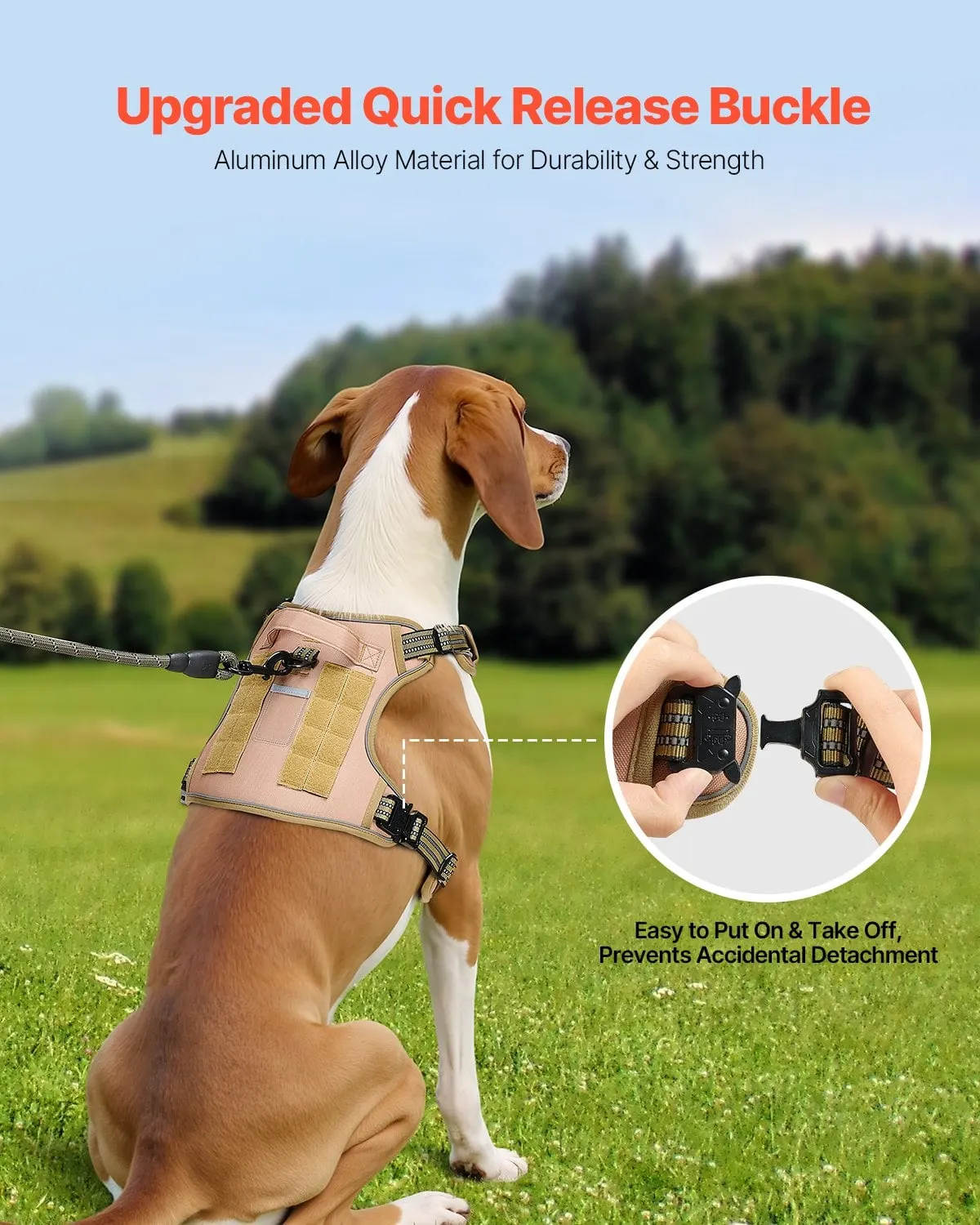
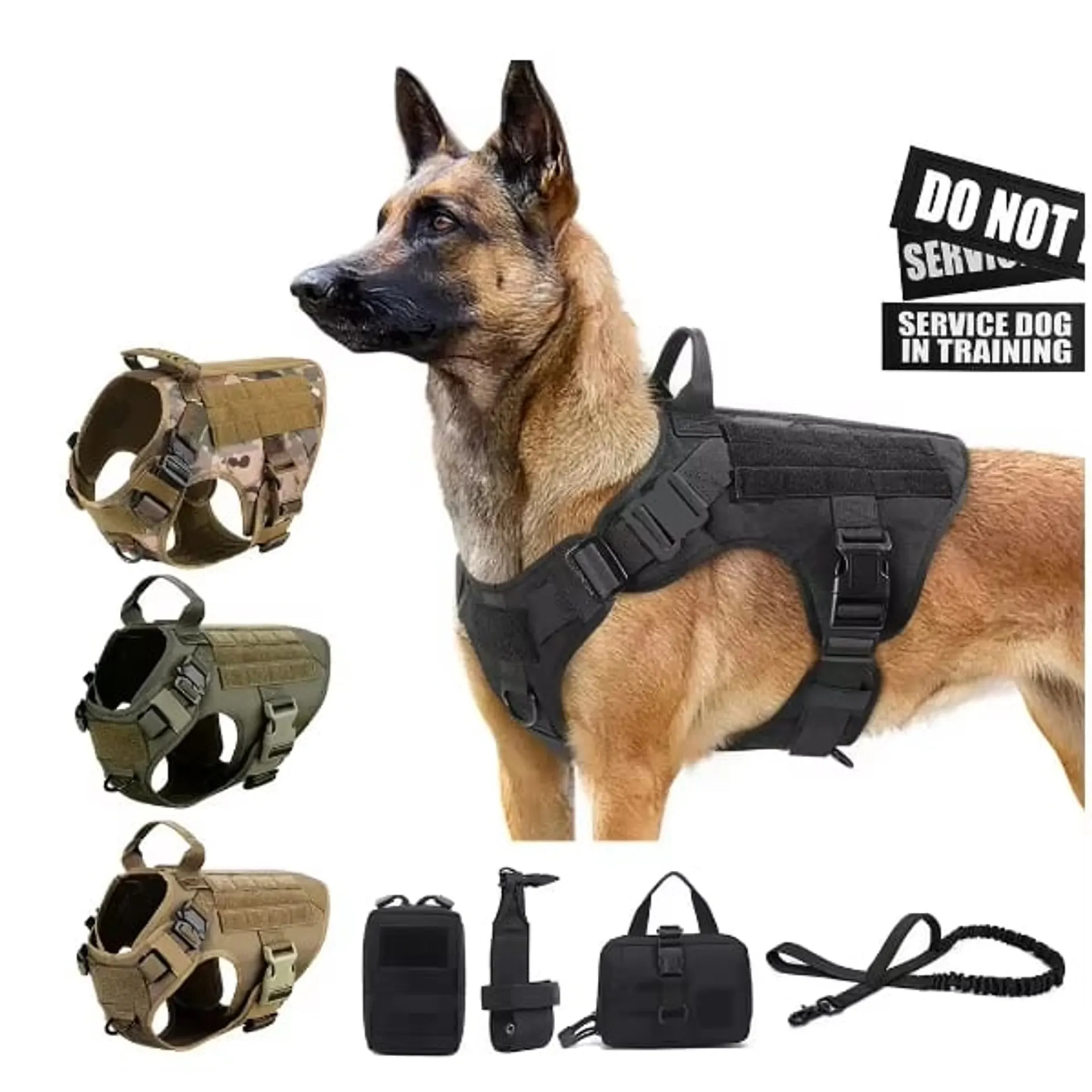
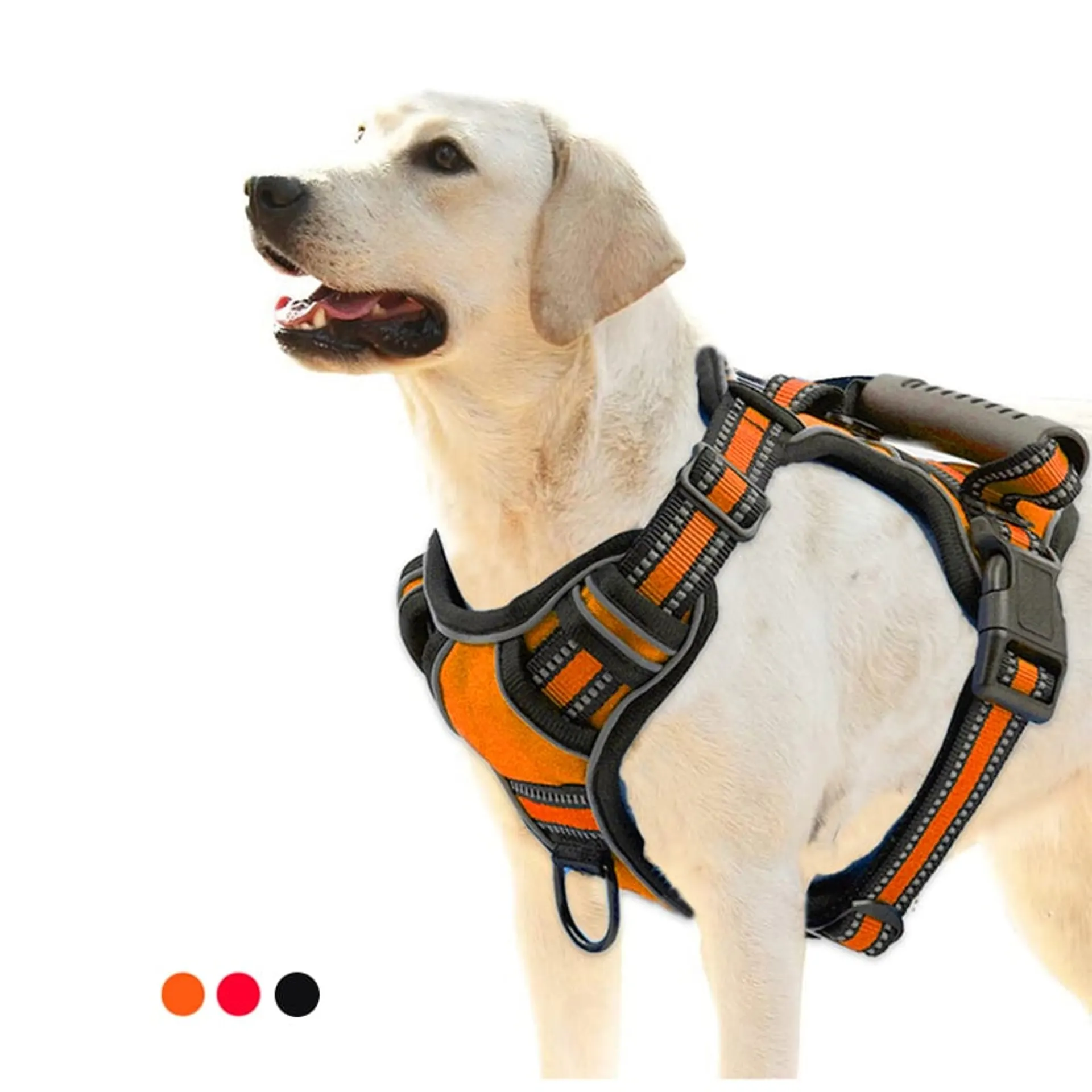
Start with a soft measuring tape. Measure the widest part of the chest, just behind the front legs. Add two inches for comfort and room to move. Check the neck girth if the harness has a neck strap. Compare those numbers to the size chart of the harness you like. For big breeds, a sturdy option like the tactical adjustable vest offers multiple adjustment points so the fit stays secure on long hikes.
Front Clip vs Back Clip
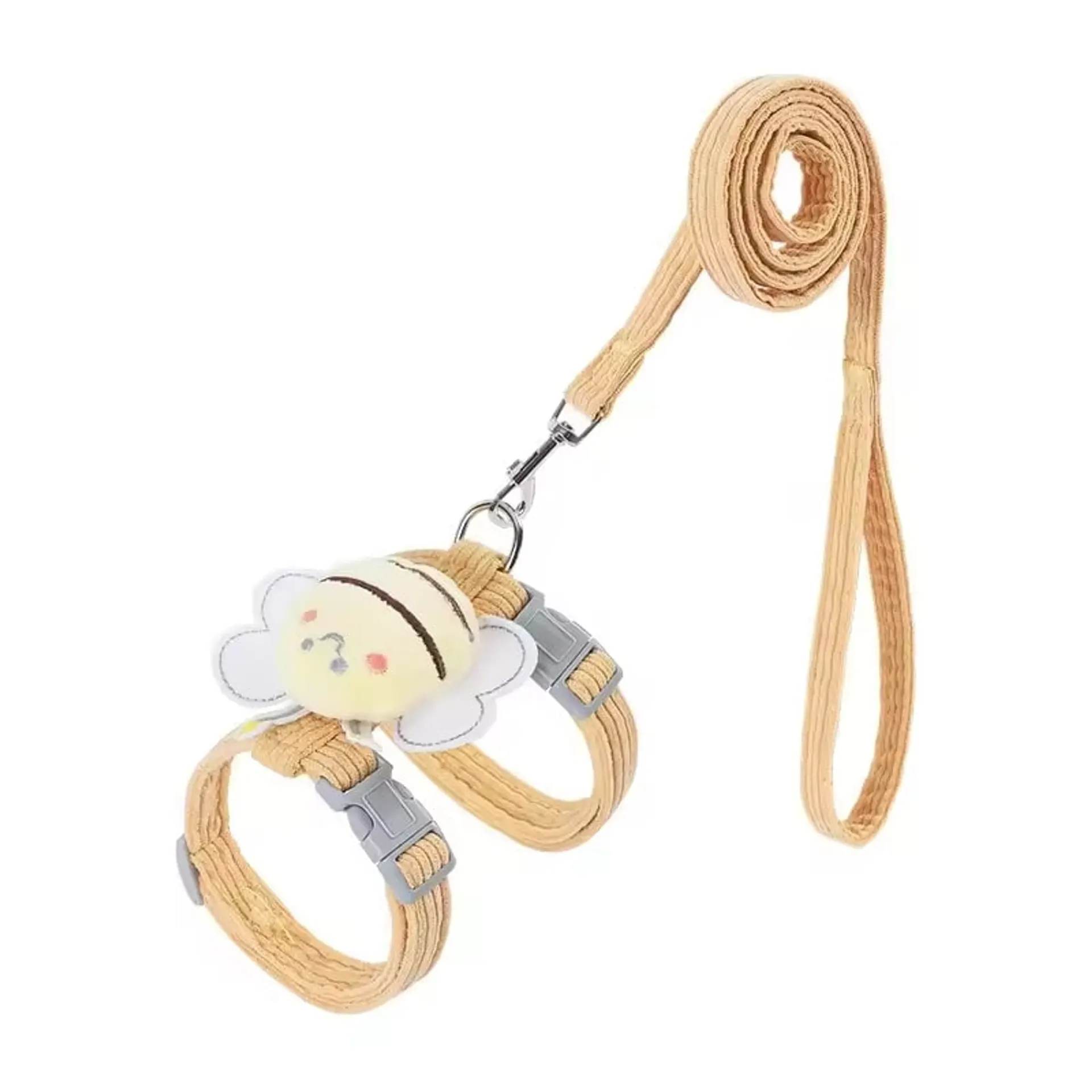
Front‑clip harnesses attach the leash at the chest. When your dog pulls, the pressure turns them toward you, giving you natural steering. Back‑clip models connect at the spine and are great for relaxed strolls or dogs that already walk calmly. If you want more control on busy streets, a front‑clip design like the luxury chest harness set can make a noticeable difference.
No‑Pull Features That Help
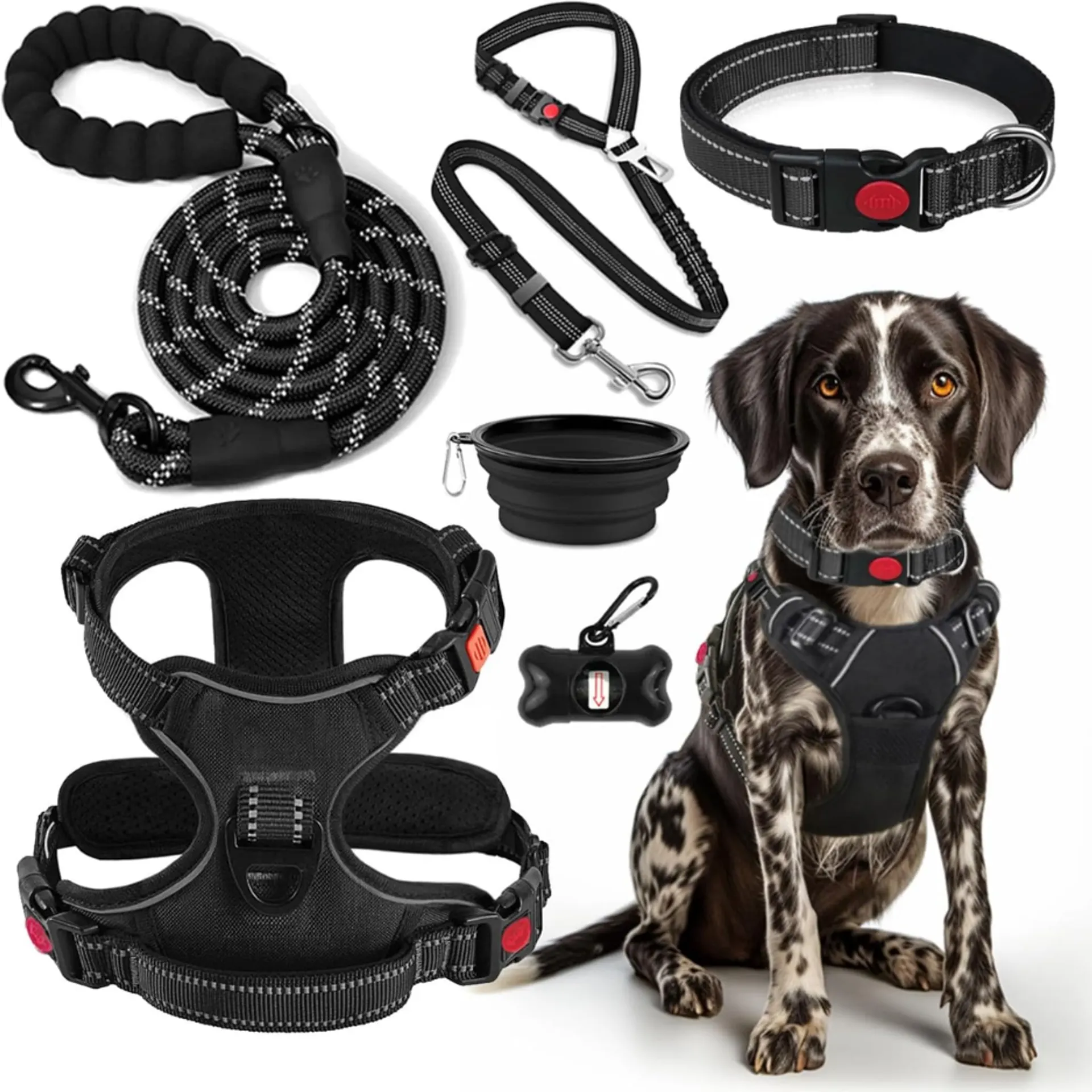
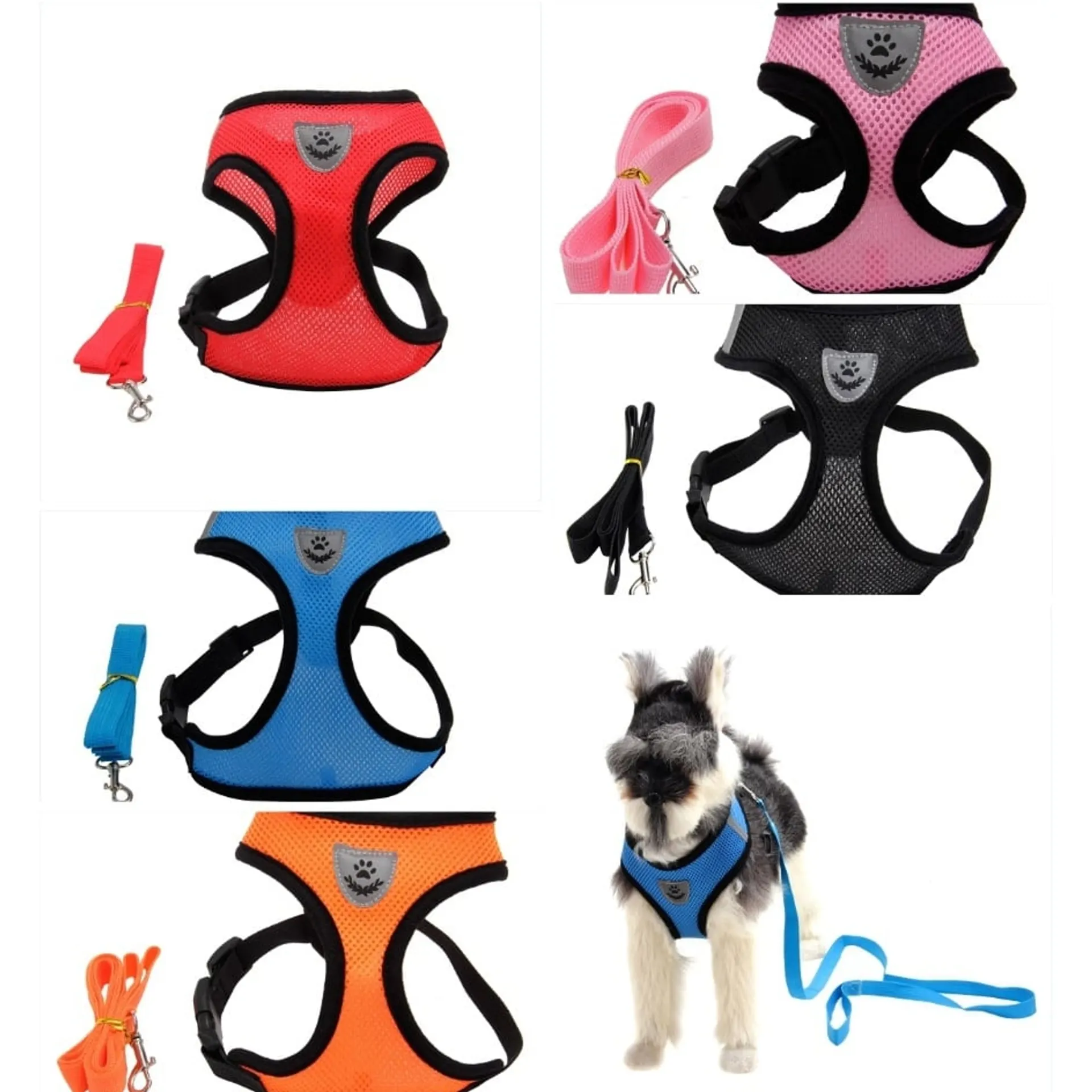
No‑pull harnesses use a front attachment or a martingale loop that tightens gently when the dog pulls. This discourages forward lunging without choking. Look for padded straps, breathable mesh, and reflective stitching for early‑morning or night walks. The breathable reflective vest combines a no‑pull front ring with lightweight fabric that keeps your pup cool.
Quick Sizing Checklist
Quick sizing checklist before you buy: - Measure chest and neck with a flexible tape. - Add two inches to each measurement. - Match the numbers to the brand’s size chart. - Verify the harness has at least three adjustment points. - Test the fit: you should fit two fingers between strap and body. - Confirm the leash attachment sits centered on the chest for front‑clip models.
Frequently asked questions
- How do I know if a harness fits my small dog?
- Fit a small dog by measuring the chest just behind the front legs and the neck if the harness has a collar strap. Add two inches for comfort, then compare to the size chart. The harness should sit snug but allow two fingers between strap and body. Adjust all buckles so the leash clip stays centered on the chest.
- Can a front‑clip harness stop pulling better than a back‑clip?
- A front‑clip harness redirects the dog’s forward momentum toward you, giving immediate steering feedback. A back‑clip only restrains the torso and can let a strong pull continue. For dogs that lunge on leash, a front‑clip usually reduces pulling faster, especially when paired with consistent training.
- What material is best for hot weather walks?
- Lightweight mesh or nylon with open weave lets air flow and wicks moisture away from the skin. Avoid heavy padding or rubberized coatings that trap heat. A breathable reflective vest with mesh panels keeps your dog visible and cool during summer outings.
- How often should I replace a harness?
- Inspect the harness after every walk for frayed stitching, stretched buckles, or cracked plastic. Replace it when any part shows wear that could compromise safety, typically every 12 to 18 months for active dogs. A well‑maintained harness lasts longer, but never risk a broken clip on a busy street.