
Best Pet Grooming Brush for Loose Hair & Shedding
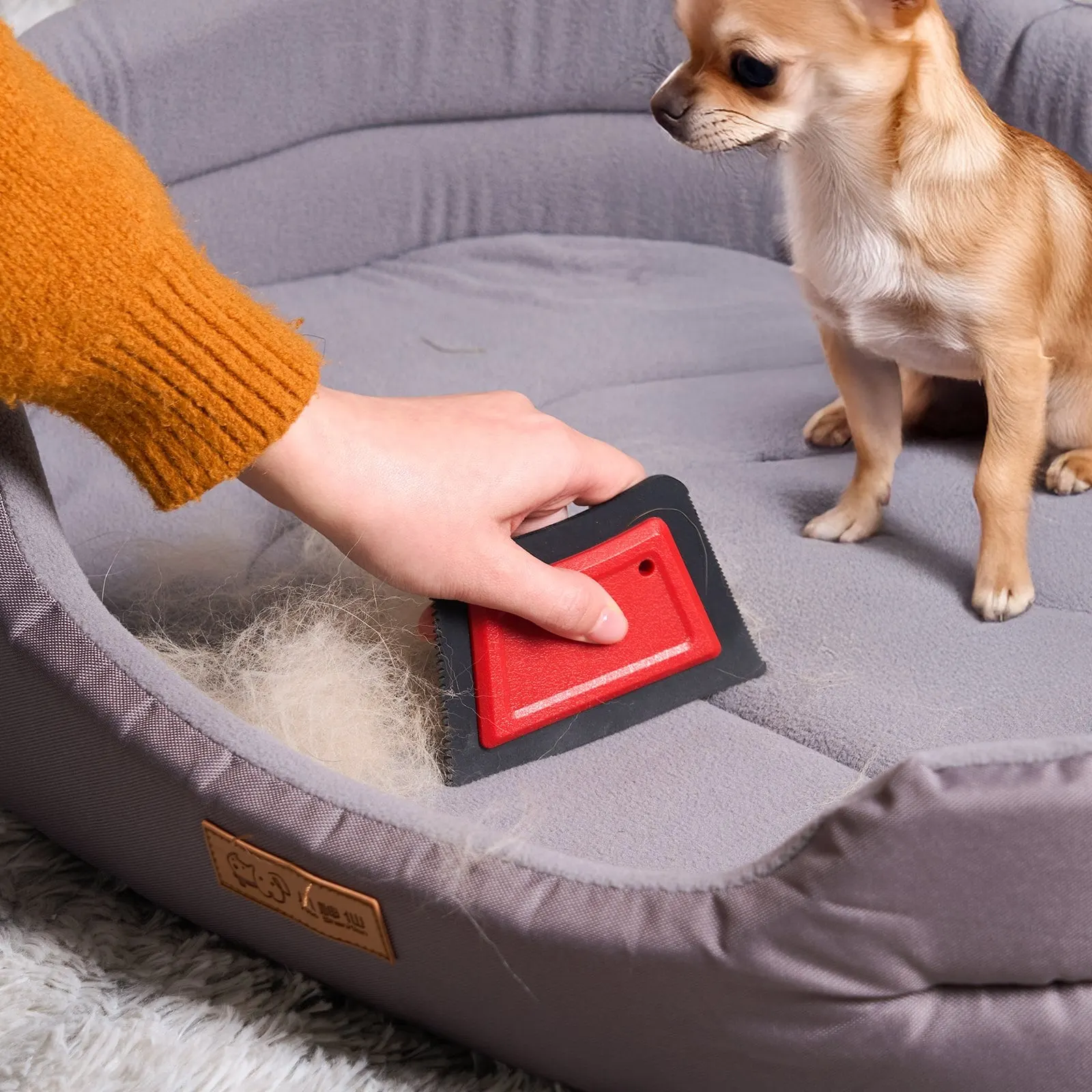
The best pet grooming brush for removing loose hair and shedding is the one your dog or cat will actually sit still for, week after week. It does not need to be complicated. It needs to fit a routine you can repeat without a fight, a bath every time, or a floor covered in fur.
Here is the loop that works: brush, roll, wash, cover. Brush the coat while the hair is still loose on your pet. Roll the fabric where hair lands. Wash when the coat needs it. Cover the spots your pet naps on. Each step takes a few minutes, and together they keep shedding from taking over your home.
Keep treats nearby, keep sessions short, and let your pet set the pace. A calm five-minute brush beats a heroic thirty-minute one that ends with everyone hiding under the table.
Brush first: one calm pass, five minutes, less fur everywhere
Loose hair is easiest to catch while it is still on your pet. Set aside five minutes once a week, or two or three short sessions if your dog or cat gets wiggly. Pick a quiet spot, put a towel down, and let your pup or kitten settle before you start.
Work in the direction the coat grows. Part the fur with one hand and brush small sections at a time, starting at the shoulders and moving toward the tail and back legs. Short strokes do more than long, dramatic sweeps, and they feel better on skin.
A self-cleaning slicker brush handles most of the weekly work. The fine pins lift dead coat from the top layer, and the one-click pad release means you are not picking fur out of the bristles with your fingers. For thick or double coats, follow with a stainless steel grooming comb with massage pins to check for tangles near the skin.
Go gently around the belly, armpits, tail base, and behind the ears. If your pet flinches, stop, give a treat, and come back to that spot later. Brushing should never feel like a wrestling match. Finish by running your hands over the coat. If you find a mat that will not comb out, leave it for a professional groomer rather than tugging at it.
Roll next: catch the hair your brush left behind
Even a good brush leaves stray hairs on the couch, the car seat, and the hoodie you wore while brushing. That is the moment to roll, not scrub.
A quick pass with a reusable lint roller brush picks up what settled on fabric during the session. Keep one by the door for the seat of your car, one in the hall closet for jackets, and one wherever your dog likes to flop after a walk. A reusable tool means no peeling sheets mid-pass, and the trapped hair pulls out in one clump.
Work in short overlapping strokes, pulling the tool toward you. On upholstery, press lightly and let the surface do the work. On clothing, go with the weave rather than against it so you do not stretch the fabric. Do this right after brushing and the rest of your week stays noticeably cleaner.
Wash smart: bath time does the heavy lifting
Bath time is where loose hair lets go. Warm water, a good lather, and a few minutes of massage loosen coat that a brush only skimmed.
Wet your pet thoroughly, then work shampoo into the coat with a pair of silicone bath massage gloves. The soft nubs move shampoo through the undercoat and collect hair that comes free, and most pets lean into the massage instead of backing away. Rinse until the water runs clear, then rinse once more, because leftover shampoo dulls the coat and itches.
If your dog or cat is nervous about the tub, a handheld shower brush with a shampoo dispenser keeps one hand free and shortens the whole event.
Towel dry, keep your pet warm, and check ears and skin folds. Then brush once more when the coat is dry to catch anything the bath loosened.
Cover the basics: keep couches and car seats clear
Fur that lands on the sofa or the passenger seat is the part guests notice. Cover the spots your pet claims, and the weekly clean gets much shorter.
A washable throw over the couch cushion, a seat cover in the car, and a blanket in the crate or bed do most of the work. Shake them out outdoors once a week and wash them with your regular laundry.
For the surfaces you cannot cover, keep a mini pet hair remover for couches and rugs within reach. The small head gets into cushion seams, stair carpet, and car mats where a vacuum struggles. Short back-and-forth passes lift embedded hair into a pile you can pick up in one go.
Cover, then collect, and your floors stop looking like a shedding season crime scene.
Frequently asked questions
How often should I use a grooming brush on my dog or cat?
Once a week works for many short coats, while long and double coats often need brushing every other day. If you see tufts sticking out or hair on every cushion, add a session. Two short brushing sessions usually beat one long one, especially for wiggly pups and cats who lose patience fast.
Does a slicker brush work on short-haired pets?
Yes. A slicker brush lifts loose hair from short coats, and it is gentle enough for weekly use. Use light pressure and short strokes, then wipe the brush clean. For very short coats, a rubber mitt or a damp hand can be just as effective at collecting the hair that sheds.
My cat hates being brushed. What should I try?
Start with a two-minute session in a spot your cat already likes, and stop before they walk away. Try a small hand-held tool or a silicone mitt instead of a full brush. Reward with a treat afterward. If your cat still panics, ask your vet about skin issues or pain, since cats sometimes avoid touch for a reason.
Can I use the same tools on furniture and on my pet?
Some can, but it is cleaner to keep them separate. Brushes designed for coats work best on coats. For couches, rugs, and car seats, use a reusable roller or a small hair remover tool built for fabric. Keeping the two sets apart stops you from spreading oils or dirt onto upholstery.