
Best Cat Beds: Match the Bed to How Your Cat Sleeps
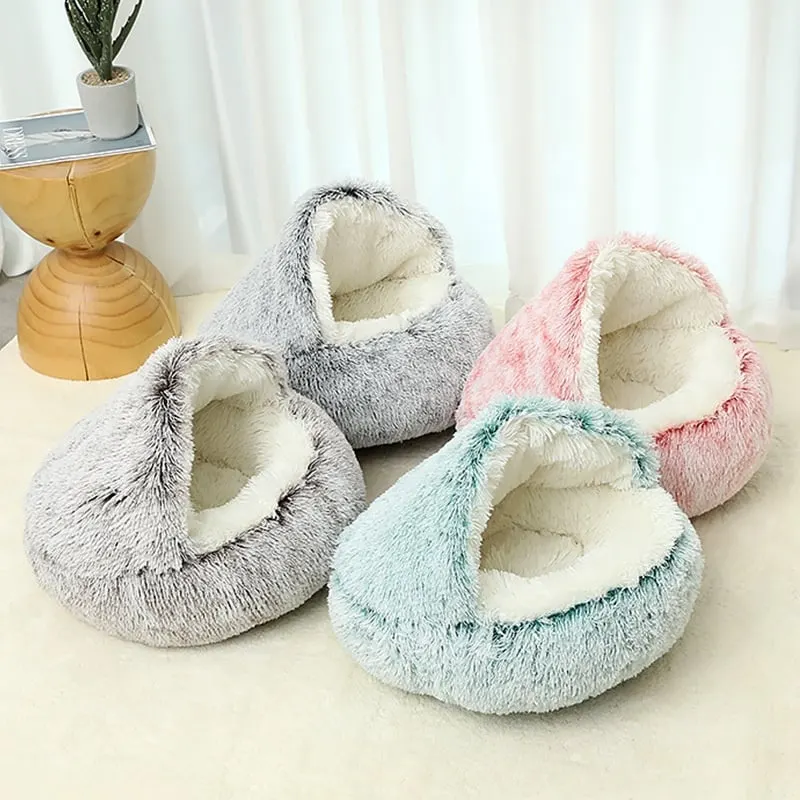
The best cat beds start with understanding how your cat likes to sleep. Some cats curl into a tight ball, others stretch out on a sunny sill, and a few love to burrow in a hidden nook. Matching the bed to that habit means deeper rest and fewer early‑morning wake‑ups for you.
Below you’ll find practical tips for spotting your cat’s favorite position and picking a bed that supports it, plus a few product ideas that fit each style.
Identify Your Cat’s Sleep Style
Watch where your cat spends the most time during naps. A cat that always chooses the top of the sofa back prefers an elevated perch with a view. One that squeezes into a cardboard box loves a cave‑like enclosure. A sprawler that stretches across the floor needs a wide, flat surface. Note the temperature preference too — cats that seek sunny patches often enjoy a heated or plush option, while those that hide in cool corners may like a breathable mesh.
Choose the Right Shape and Material
Round, bolstered beds support curled sleepers by cradling the body and keeping heat in. Rectangular mats work for cats that like to stretch out fully. Semi‑enclosed designs give a sense of security without feeling trapped. For a cozy cave feel, a semi‑enclosed cat house offers a soft interior and a low entrance that mimics a den. If your cat prefers a plush surface that stays in place, the round plush cat bed provides a non‑slip base and thick faux‑fur padding.
Add Function: Warmth, Scratching, and View
Some beds double as a scratching post or a window perch. A bed with an integrated sisal panel lets your cat sharpen claws without leaving the nap spot. Window‑mounted platforms give a bird‑watching view while keeping the cat off the sill. Heated inserts are great for older cats or short‑haired breeds that feel the chill. Choose a multi‑function bed only if the added feature matches a behavior you actually see — extra bulk can deter a cat that values simplicity.
Keep the Bed Clean and Inviting
Washable covers extend the life of any bed and reduce allergens. Remove loose fur with a lint roller before laundering. Rotate between two beds so one can air out while the other is in use. Sprinkle a little catnip or place a favorite toy on the fresh bed to encourage immediate adoption. Regularly inspect seams and zippers for wear; a damaged bed can become a safety hazard or lose its supportive shape.
Frequently asked questions
How do I know which bed shape my cat prefers?
Observe where your cat naturally naps for a week. If they curl into a ball, a round bolstered bed works. If they stretch out, a flat rectangular mat is better. Cats that hide in boxes or under furniture usually like semi‑enclosed or cave styles.
Can a heated bed be safe for all cats?
Heated beds are safe when they have a low‑voltage, thermostatically controlled pad and a chew‑resistant cord. They are ideal for senior cats, hairless breeds, or any cat that seeks warm spots. Always follow the manufacturer’s guidelines and supervise the first few uses.
What makes a cat bed easy to clean?
Look for removable, machine‑washable covers and a waterproof liner underneath. Beds with zippered covers let you wash the fabric without soaking the foam core. A non‑slip base that can be wiped down also helps keep the area tidy.
Should I get a bed that doubles as a scratcher?
If your cat already scratches near their sleeping area, a combined bed‑scratcher saves space and redirects the behavior. If they scratch elsewhere, a separate scratching post may be more effective. Choose based on your cat’s current habits.